

What is Blemish-prone skin and its Causes
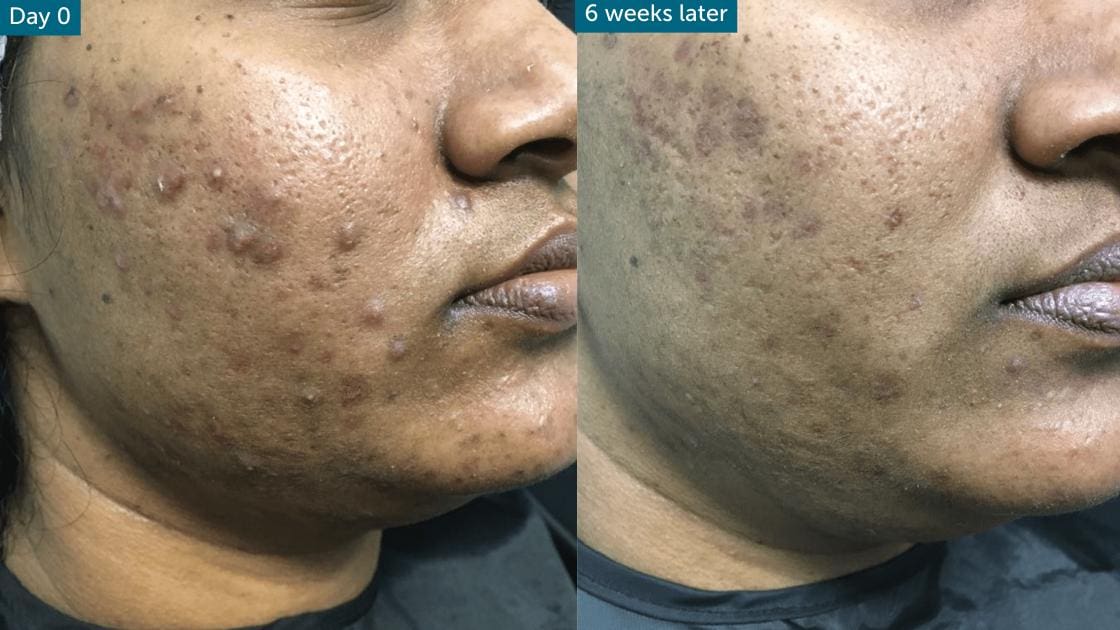
Blemishes are a common skin concern that can affect people of different ages and skin types. From occasional pimples and clogged pores to persistent breakouts and post-blemish marks, blemish-prone skin can sometimes feel difficult to manage.
The good news is that caring for blemish-prone skin doesn’t have to mean using harsh products or following a complicated skincare routine.
The key is understanding what may contribute to breakouts, choosing suitable skincare ingredients, and maintaining a routine that cleanses, hydrates, and supports your skin barrier.
At MO_Organics, we believe skincare should be simple, intentional, and tailored to your skin’s needs. In this guide, we’ll explore what blemish-prone skin is, common contributing factors, ingredients worth knowing, and how to build a skincare routine for healthier-looking skin.
What Is Blemish-Prone Skin?
Blemish-prone skin is skin that tends to develop pimples, blackheads, whiteheads, or other visible imperfections.
Breakouts can occur when hair follicles become clogged with excess oil, dead skin cells, and other material. Inflammation and bacteria can also contribute to acne.
Blemish-prone skin is not necessarily the same as oily skin. Although excess oil can contribute to clogged pores, people with dry or combination skin can experience blemishes too.
You may notice:
- Blackheads or whiteheads
- Occasional pimples
- Red or inflamed spots
- Excess shine in certain areas
- Dark marks left behind after a breakout
- Breakouts that appear repeatedly in the same areas
Understanding your skin’s needs can help you choose products that address your concerns without unnecessarily irritating your skin.
What Causes Blemishes?
There isn’t always one single cause of blemishes. Several factors can contribute to breakouts.
1. Excess Sebum Production
Sebum is the natural oil produced by your skin. It helps lubricate and protect the skin, but excess sebum can contribute to clogged pores when combined with dead skin cells.
2. Clogged Pores
Dead skin cells can accumulate within hair follicles, contributing to blackheads, whiteheads, and other types of acne lesions.
Using suitable skincare products and avoiding overly heavy products that do not suit your skin may help reduce some contributors to clogged pores.
3. Hormonal Changes
Hormonal fluctuations, including those associated with menstruation, puberty, and other life stages, can influence oil production and contribute to breakouts.
4. Skincare Products That Irritate Your Skin
Some products may be too harsh, too heavy for your skin, or contain ingredients that trigger irritation. Excessive cleansing and exfoliation can also disrupt the skin barrier.
Choose products suited to your skin and introduce new formulas gradually.
5. Picking or Squeezing Blemishes
Picking at pimples can increase inflammation and raise the risk of infection, scarring, and lingering dark marks.
Allow blemishes to heal without repeatedly touching or squeezing them.
Ready to build your skincare routine?
Explore the MO_Organics skincare collection to discover products that may suit your skin’s needs. Choose your products thoughtfully, introduce them gradually, and remember that healthy-looking skin is a journey—not an overnight transformation.